Lightning Protection System: Safeguarding Lebanese Properties
Learn how to protect your home, business, or facility from the dangers of lightning strikes with a reliable lightning protection system.
Lebanon experiences a significant number of lightning strikes every year, posing a threat to properties and lives. A lightning protection system is essential to safeguard buildings and prevent damage from lightning strikes.
The importance of a lightning protection system cannot be overstated, as it helps to prevent fires, protect electrical systems, and ensure the safety of occupants. Property owners in Lebanon must take proactive measures to protect their assets from the dangers of lightning.
In this article, we will discuss the components of a lightning protection system, the benefits of installing one, and the steps to take to ensure your property is protected from lightning damage. By the end of this article, you will have a comprehensive understanding of lightning protection systems and how to choose the right one for your property.
Understanding Lightning Protection Systems
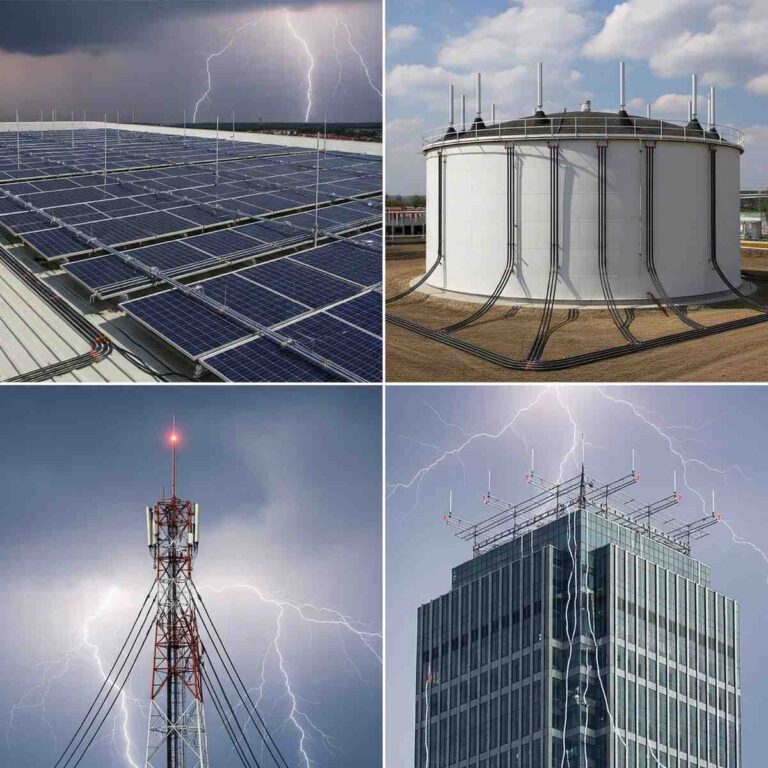
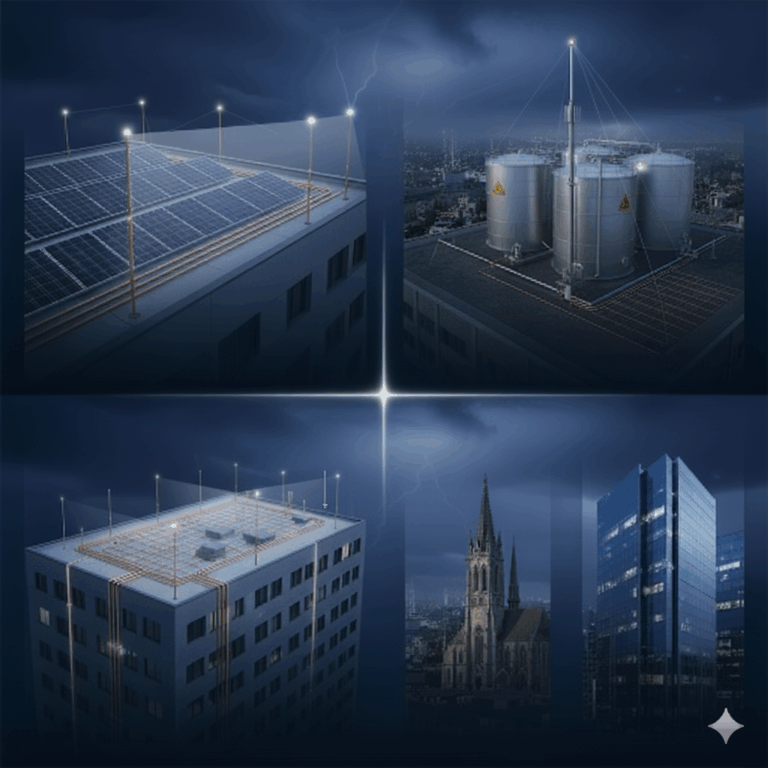
A lightning protection system is designed to protect buildings from lightning strikes by providing a safe path for the electrical discharge to follow. The system consists of several components, including air terminals, down conductors, and grounding systems.
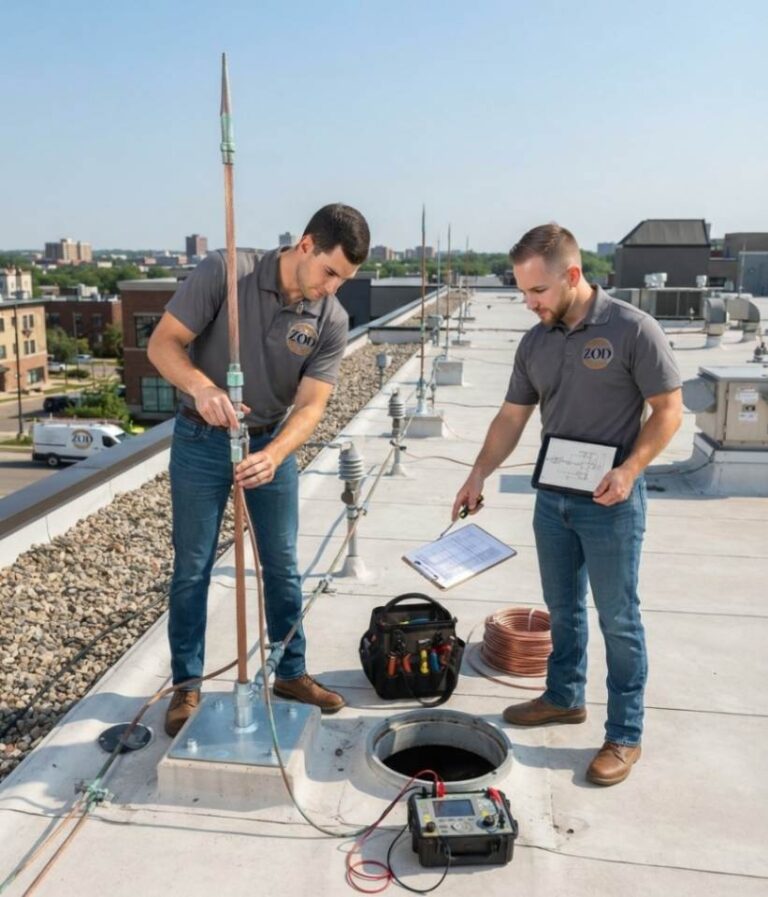
The air terminals, also known as lightning rods, are installed on the roof of the building and are designed to attract the lightning strike. The down conductors carry the electrical discharge from the air terminals to the grounding system, which dissipates the energy safely into the earth.
Air Terminals
Primary Protection
Air terminals are the first line of defense against lightning strikes, attracting the electrical discharge and directing it to the down conductors.
Down Conductors
Secondary Protection
Down conductors carry the electrical discharge from the air terminals to the grounding system, providing a safe path for the energy to follow.
Grounding Systems
Tertiary Protection
Grounding systems dissipate the electrical energy from the down conductors safely into the earth, preventing damage to the building and its occupants.
Components of a Lightning Protection System
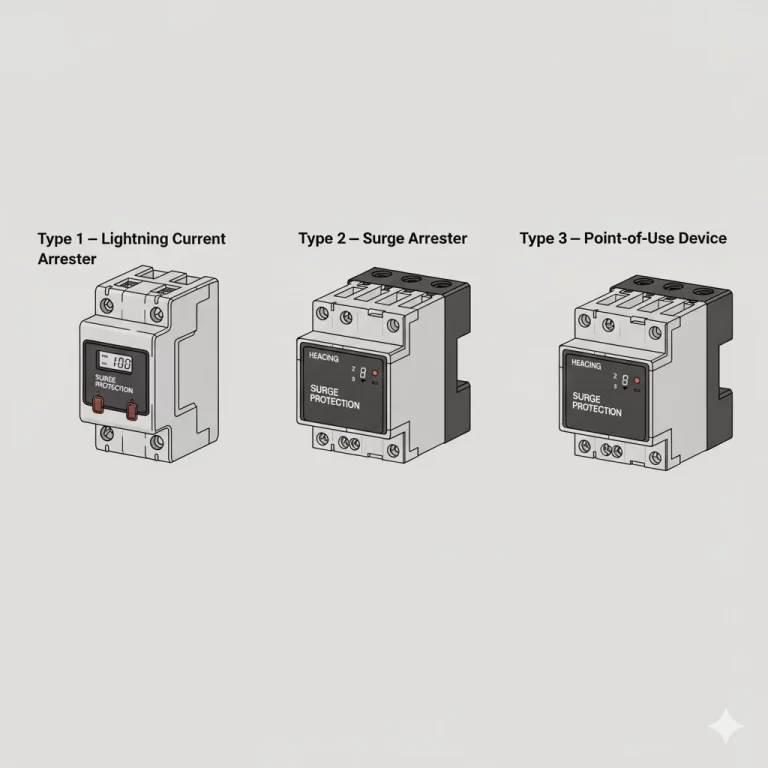
A lightning protection system consists of several components, each playing a critical role in protecting the building from lightning strikes. The components include air terminals, down conductors, grounding systems, and surge protectors.
The air terminals are installed on the roof of the building and are designed to attract the lightning strike. The down conductors carry the electrical discharge from the air terminals to the grounding system, which dissipates the energy safely into the earth.
- Air Terminals
Air terminals are the first line of defense against lightning strikes, attracting the electrical discharge and directing it to the down conductors.
- Down Conductors
Down conductors carry the electrical discharge from the air terminals to the grounding system, providing a safe path for the energy to follow.
- Grounding Systems
Grounding systems dissipate the electrical energy from the down conductors safely into the earth, preventing damage to the building and its occupants.
Frequently Asked Questions
Protect Your Property From Lightning Damage
Contact ZOD Lightning today for a free site visit and lightning protection assessment.