Lightning Protection System
Protect your property from lightning damage with a reliable lightning protection system.
Lightning is a significant threat to properties in Lebanon, causing damage to buildings, equipment, and even loss of life. A lightning protection system is essential to protect your property from the devastating effects of lightning strikes.
The importance of a lightning protection system cannot be overstated, as it provides a safe and effective way to prevent lightning damage. By installing a lightning protection system, you can ensure the safety of your property, occupants, and valuable assets.
In this article, you will learn about the importance of a lightning protection system, its components, and how to choose the right system for your property. You will also learn about the different types of lightning protection systems, their benefits, and how to maintain them.
Understanding Lightning Protection Systems
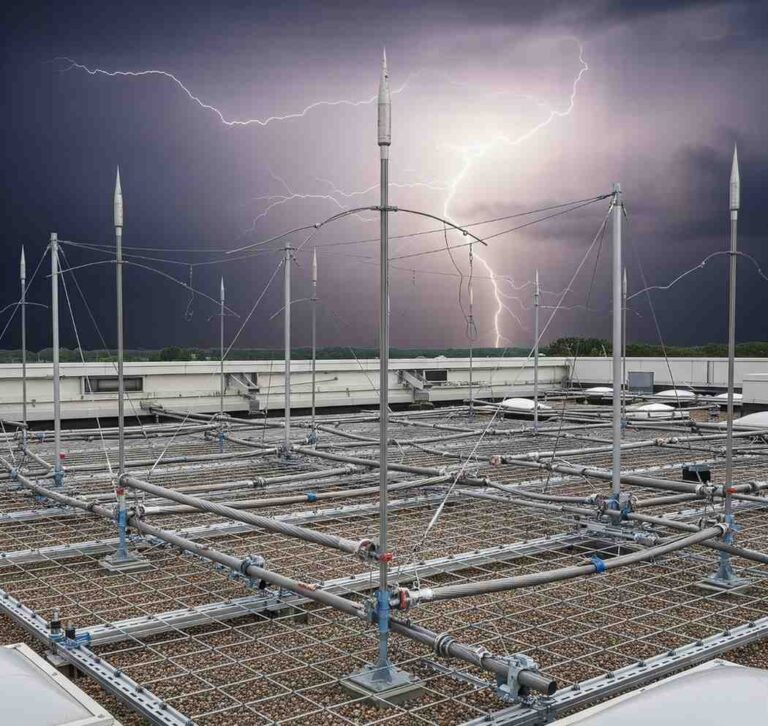
A lightning protection system is designed to protect a building or structure from lightning strikes by providing a safe path for the electrical discharge to follow. The system consists of several components, including air terminals, down conductors, and grounding systems.
The air terminals, also known as lightning rods, are installed on the roof of the building and are designed to attract the lightning strike. The down conductors carry the electrical discharge from the air terminals to the grounding system, which dissipates the energy harmlessly into the earth.
Air Terminals
Air terminals, or lightning rods, are installed on the roof of the building to attract lightning strikes. They are typically made of copper or aluminum and are designed to be durable and long-lasting.
Recommended for: All types of buildings and structures.
Down Conductors
Down conductors carry the electrical discharge from the air terminals to the grounding system. They are typically made of copper or aluminum and are designed to be durable and resistant to corrosion.
Recommended for: All types of buildings and structures.
Grounding Systems
Grounding systems dissipate the electrical energy from the down conductors harmlessly into the earth. They are typically made of copper or aluminum and are designed to be durable and long-lasting.
Recommended for: All types of buildings and structures.
How Lightning Protection Systems Work
Lightning protection systems work by providing a safe path for the electrical discharge to follow. When a lightning strike occurs, the air terminals attract the strike and carry the electrical discharge to the down conductors.
The down conductors then carry the electrical discharge to the grounding system, which dissipates the energy harmlessly into the earth. This process happens quickly, typically in a matter of milliseconds, and prevents damage to the building or structure.
Lightning Protection System Process
Maintenance and Inspection
Regular maintenance and inspection are essential to ensure the lightning protection system is functioning properly. This includes inspecting the air terminals, down conductors, and grounding system for damage or corrosion.
Additionally, the system should be tested annually to ensure it is functioning properly. This can be done by a qualified technician who can perform a series of tests to ensure the system is working correctly.
Inspection
Inspect the air terminals, down conductors, and grounding system for damage or corrosion.
Testing
Test the system annually to ensure it is functioning properly.
Maintenance
Perform regular maintenance to ensure the system is functioning properly and to prevent damage or corrosion.
Frequently Asked Questions
Protect Your Property From Lightning Damage
Contact ZOD today for a free site visit and lightning protection assessment.