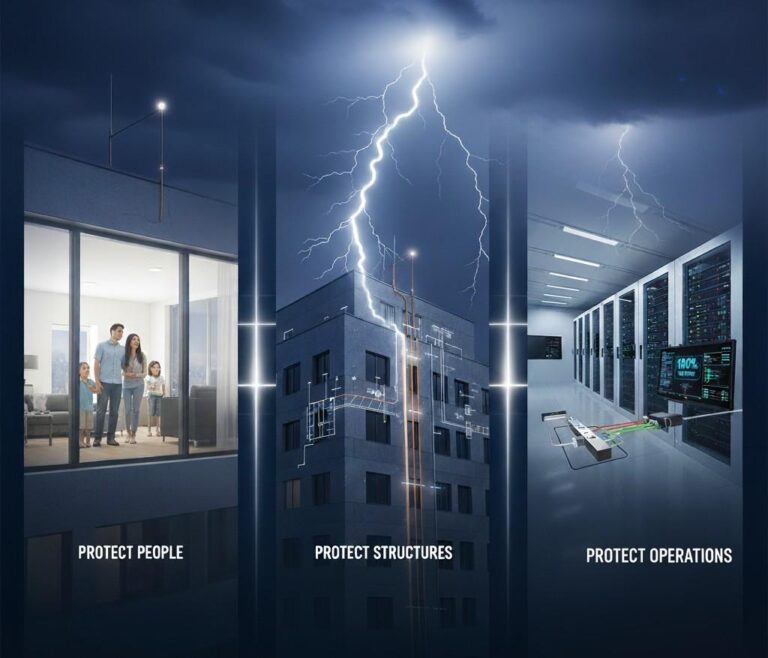
Understanding Lightning Protection System
A crucial investment for property owners in Lebanon to prevent damage from lightning strikes.
Lebanon experiences a significant number of lightning strikes every year, posing a threat to properties and human life. Lightning strikes can cause massive damage to buildings, resulting in costly repairs and even loss of life. It is essential for property owners to understand the importance of a lightning protection system.
The topic of lightning protection is crucial for property owners in Lebanon as it directly affects the safety and security of their investments. A lightning protection system is designed to protect buildings from the harmful effects of lightning strikes, and its importance cannot be overstated. By installing a lightning protection system, property owners can ensure the safety of their properties and occupants.
In this article, readers will learn about the basics of lightning protection systems, their components, and the benefits of installing such a system. We will also discuss the different types of lightning protection systems available and the factors to consider when choosing a suitable system for a particular property.
What Is A Lightning Protection System
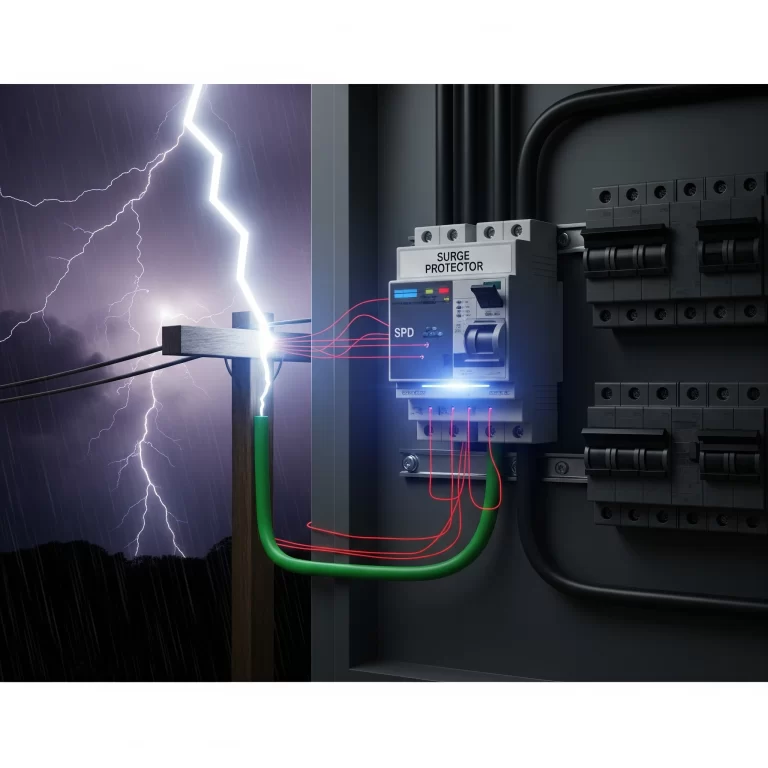
A lightning protection system is a network of components designed to protect a building from the effects of a lightning strike. The system typically consists of a lightning rod, down conductors, and a grounding system. The lightning rod attracts the lightning strike, while the down conductors direct the electrical discharge to the grounding system, which safely dissipates the energy into the earth.
The lightning protection system is an essential investment for property owners in Lebanon, as it provides a high level of protection against lightning strikes. The system is designed to prevent damage to the building and its occupants, and it can also help to prevent fires caused by lightning strikes.
- Lightning Rod
The lightning rod is the component that attracts the lightning strike. It is typically installed on the roof of the building and is designed to be the highest point on the structure.
Components Of A Lightning Protection System
A lightning protection system consists of several components, including the lightning rod, down conductors, and grounding system. The lightning rod is the component that attracts the lightning strike, while the down conductors direct the electrical discharge to the grounding system. The grounding system is responsible for safely dissipating the energy into the earth.
The components of a lightning protection system must be carefully selected and installed to ensure the system functions correctly. The system must be designed and installed in accordance with international standards, such as the IEC 62305 or NFPA 780.
Lightning Rod
The lightning rod is the component that attracts the lightning strike. It is typically installed on the roof of the building and is designed to be the highest point on the structure.
Recommended for: All buildings in lightning-prone areas.
Down Conductors
The down conductors direct the electrical discharge from the lightning rod to the grounding system. They are typically installed on the outside of the building and are designed to be resistant to corrosion.
Recommended for: All buildings with a lightning protection system.
Grounding System
The grounding system is responsible for safely dissipating the energy from the lightning strike into the earth. It typically consists of a network of conductors and electrodes that are buried in the ground.
Recommended for: All buildings with a lightning protection system.
Maintenance And Inspection Of Lightning Protection Systems
Regular maintenance and inspection of lightning protection systems are essential to ensure the system functions correctly. The system should be inspected annually to ensure that all components are in good condition and functioning as intended.
The maintenance and inspection of lightning protection systems should be performed by a qualified technician who has experience with such systems. The technician should check the system for any signs of damage or wear and tear, and perform any necessary repairs or replacements.
Annual Inspection
The lightning protection system should be inspected annually to ensure that all components are in good condition and functioning as intended.
Repairs And Replacements
Any damaged or worn-out components should be repaired or replaced as soon as possible to ensure the system functions correctly.
Record Keeping
A record of all maintenance and inspection activities should be kept to ensure that the system is properly maintained and inspected.
Frequently Asked Questions
Protect Your Property From Lightning Damage
Contact ZOD today for a free site visit and lightning protection assessment.