Lightning Conductor Safety For Lebanese Properties
Understanding the role of lightning conductors in safeguarding homes and businesses in Lebanon from lightning strikes.
Lebanon experiences a significant number of lightning storms each year, posing a threat to properties and lives. A crucial component in protecting against lightning damage is the lightning conductor. This device is designed to attract lightning and direct its electrical discharge harmlessly into the ground, thereby safeguarding the structure and its occupants.
The importance of lightning conductors cannot be overstated, especially in a country like Lebanon where the risk of lightning strikes is considerable. By installing a properly designed and maintained lightning conductor system, property owners can significantly reduce the risk of damage from lightning. This not only protects the physical structure but also the valuable assets and equipment within, as well as the people who use the property.
In this article, readers will learn about the fundamentals of lightning conductor systems, their components, the process of installation, and the importance of regular maintenance. Additionally, we will delve into the different types of lightning protection systems available, including the use of surge protectors and earthing systems, to provide a comprehensive understanding of how to protect properties from lightning damage.
How Lightning Conductors Work
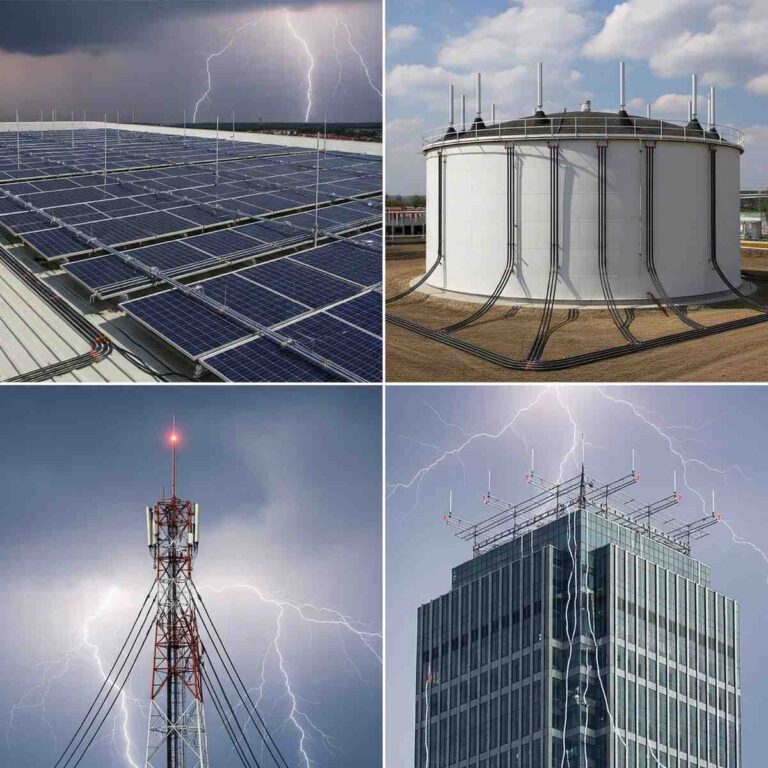
A lightning conductor, also known as a lightning rod, is a metal rod or system of rods that is installed on a building to protect it from lightning strikes. The rod is typically made of a conductive material, such as copper or aluminum, and is designed to attract lightning. When lightning strikes the rod, the electrical discharge is directed down the rod and into the ground, where it is harmlessly dissipated.
The effectiveness of a lightning conductor system depends on several factors, including the height and location of the rod, the type of material used, and the condition of the system. Regular maintenance is crucial to ensure that the system remains in good working order and can function as intended in the event of a lightning strike.
- Selection of Materials
The choice of material for the lightning conductor is critical. Copper and aluminum are commonly used due to their high conductivity and durability.
- Installation Process
The installation of a lightning conductor system requires careful planning and execution to ensure that it is effective and safe.
- Regular Inspection
Regular inspection of the lightning conductor system is essential to identify any damage or wear and tear that could compromise its effectiveness.
Components of a Lightning Protection System
A complete lightning protection system consists of several components, each playing a critical role in protecting a property from lightning damage. These components include the lightning conductor or rod, the down conductor, the grounding system, and surge protectors.
The down conductor is responsible for carrying the electrical discharge from the lightning conductor to the grounding system. The grounding system, which includes a network of rods and plates buried in the earth, provides a path for the discharge to safely enter the ground. Surge protectors are used to protect electrical equipment from voltage surges that can occur during a lightning strike.
Lightning Conductor
Attracts lightning and directs it to the down conductor. Made from conductive materials like copper or aluminum.
Recommended for all properties in lightning-prone areas.
Down Conductor
Carries the electrical discharge from the lightning conductor to the grounding system. Must be securely attached to the structure.
Essential for the safe functioning of the lightning protection system.
Grounding System
Provides a path for the electrical discharge to enter the ground safely. Includes rods and plates buried in the earth.
Critical for the protection of people and property.
Maintenance and Inspection of Lightning Conductors
Regular maintenance and inspection of lightning conductor systems are vital to ensure their effectiveness. Over time, components of the system can deteriorate or become damaged, reducing the system’s ability to protect the property from lightning strikes.
Inspections should be conducted by trained and certified technicians who can identify potential issues and recommend necessary repairs or replacements. This includes checking the condition of the lightning conductor, down conductors, and grounding system, as well as ensuring that all connections are secure and that the system is functioning as intended.
Visual Inspection
Checking the system for visible signs of damage or wear, such as corrosion or physical damage to components.
Component Testing
Testing the electrical continuity and resistance of the system to ensure it is functioning correctly.
Scheduled Maintenance
Regularly scheduled maintenance to prevent problems and ensure the system remains in good working order.
Frequently Asked Questions
Protect Your Property From Lightning Damage
Contact ZOD today for a free site visit and lightning protection assessment.