Understanding Earthing System
Discover the crucial role of earthing systems in safeguarding residential, commercial, and industrial properties in Lebanon from electrical hazards.
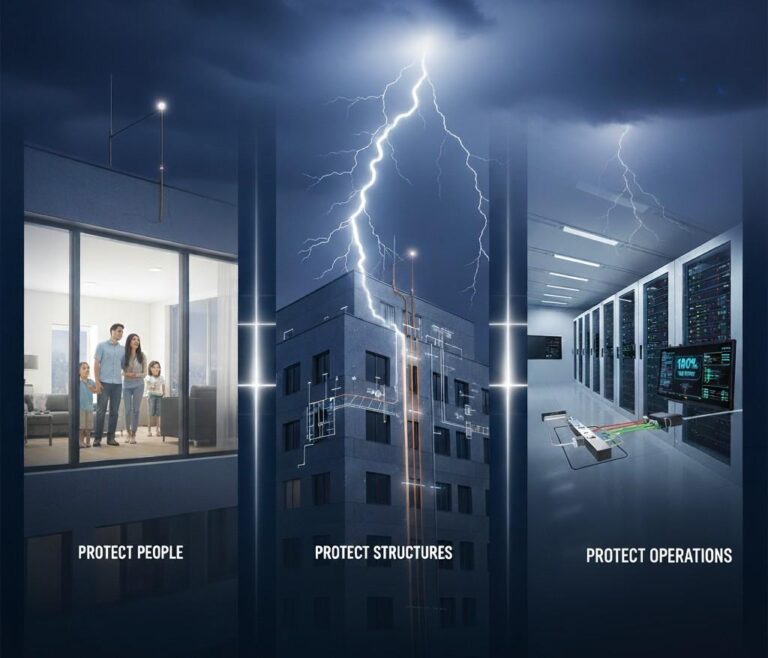
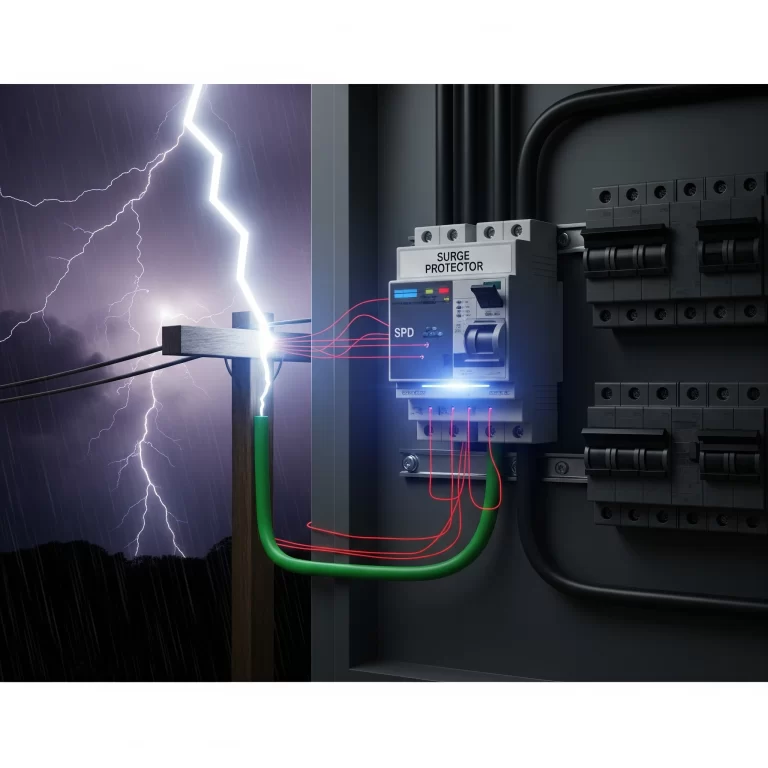
Lebanon, like many countries, experiences a significant number of lightning strikes every year, posing a threat to properties and lives. A well-designed earthing system is essential to protect buildings from the devastating effects of lightning strikes and electrical surges.
The importance of earthing systems cannot be overstated, as they provide a safe path for electrical currents to flow into the ground, preventing damage to structures and equipment. In Lebanon, where the climate is characterized by hot summers and mild winters, the risk of lightning strikes is higher during the summer months.
In this article, we will delve into the world of earthing systems, exploring their components, types, and installation requirements. By the end of this article, readers will have a comprehensive understanding of earthing systems and their role in protecting properties from electrical hazards.
Components Of An Earthing System
An earthing system consists of several components, including the earthing electrode, earthing conductor, and bonding conductors. The earthing electrode is typically a metallic rod or plate buried in the ground, providing a direct connection to the earth.
The earthing conductor is a wire that connects the earthing electrode to the electrical panel or equipment, allowing electrical currents to flow safely into the ground. Bonding conductors, on the other hand, connect metal objects, such as pipes and ducts, to the earthing system, ensuring that all metal parts are at the same electrical potential.
- Earthing Electrode
The earthing electrode is the primary component of an earthing system, providing a direct connection to the earth.
- Earthing Conductor
The earthing conductor connects the earthing electrode to the electrical panel or equipment, allowing electrical currents to flow safely into the ground.
- Bonding Conductors
Bonding conductors connect metal objects, such as pipes and ducts, to the earthing system, ensuring that all metal parts are at the same electrical potential.
Types Of Earthing Systems
There are several types of earthing systems, including plate earthing, rod earthing, and mat earthing. Plate earthing involves burying a metallic plate in the ground, while rod earthing uses a metallic rod driven into the earth.
Mat earthing, on the other hand, involves laying a network of conductors in the ground, providing a comprehensive earthing system. The choice of earthing system depends on the soil conditions, available space, and electrical requirements of the property.
Plate Earthing
Plate earthing involves burying a metallic plate in the ground, providing a direct connection to the earth.
Recommended for: Residential properties with limited space.
Rod Earthing
Rod earthing uses a metallic rod driven into the earth, providing a reliable earthing system.
Recommended for: Commercial properties with high electrical demands.
Mat Earthing
Mat earthing involves laying a network of conductors in the ground, providing a comprehensive earthing system.
Recommended for: Industrial properties with complex electrical systems.
Installation And Maintenance
The installation of an earthing system requires careful planning and execution, ensuring that all components are properly connected and functioning correctly. Regular maintenance is also essential to ensure the earthing system remains effective and safe.
Property owners should inspect their earthing system regularly, checking for signs of damage or corrosion. Any issues should be addressed promptly to prevent electrical hazards and ensure the continued safety of the property.
Regular Inspections
Regular inspections are crucial to ensure the earthing system remains effective and safe.
Repairs And Replacement
Any issues with the earthing system should be addressed promptly, with repairs or replacement of components as needed.
Documentation And Records
Property owners should maintain accurate records of their earthing system, including installation, maintenance, and inspection reports.
Frequently Asked Questions
Protect Your Property From Lightning Damage
Contact ZOD today for a free site visit and lightning protection assessment.