Lightning Strikes Lebanon: Understanding The Risks
Discover the importance of protecting your property from lightning strikes in Lebanon and learn how to mitigate these risks.
Lightning strikes are a common occurrence in Lebanon, posing significant risks to properties and lives. Every year, numerous properties are damaged or destroyed by lightning strikes, resulting in substantial financial losses and potential loss of life. It is essential for property owners to understand the risks associated with lightning strikes and take necessary precautions to protect their properties.
The risk of lightning strikes in Lebanon is higher during the summer months when thunderstorms are more frequent. Property owners should be aware of the warning signs of an impending lightning strike, such as dark clouds, strong winds, and loud thunder. By taking proactive measures, property owners can reduce the risk of damage to their properties and ensure the safety of their occupants.
In this article, we will discuss the risks associated with lightning strikes in Lebanon, the importance of lightning protection systems, and provide guidance on how to protect your property from lightning damage. By the end of this article, you will have a comprehensive understanding of the risks and solutions associated with lightning strikes in Lebanon.
Understanding Lightning Strikes
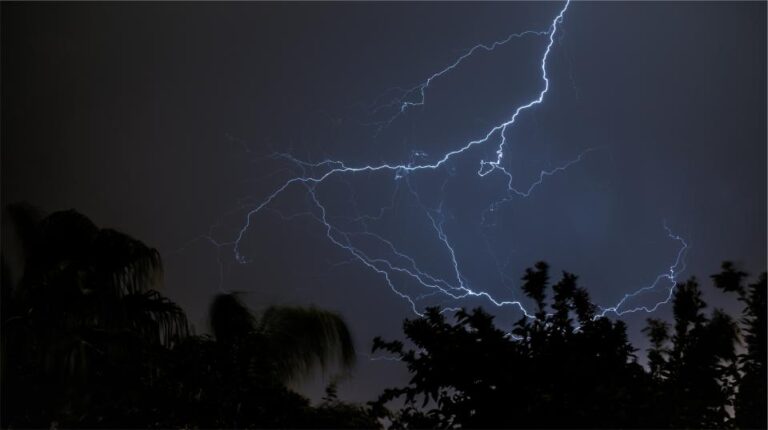
Lightning strikes are a natural phenomenon that occurs when there is a buildup of electrical charge in the atmosphere. During a thunderstorm, the electrical charge can become so great that it discharges to the ground, resulting in a lightning strike. Lightning strikes can be devastating, causing significant damage to properties and infrastructure.
In Lebanon, lightning strikes are more common in certain regions, such as the mountains and coastal areas. Property owners in these regions should be particularly vigilant and take necessary precautions to protect their properties. By understanding the risks associated with lightning strikes, property owners can take proactive measures to mitigate these risks.
- Identify Risk Areas
Property owners should identify areas of their property that are at risk of lightning strikes, such as tall trees, metal fences, and overhead power lines.
Lightning Protection Systems
Lightning protection systems are designed to protect properties from lightning strikes. These systems typically consist of a lightning rod, a down conductor, and a grounding system. The lightning rod attracts the electrical charge and directs it to the down conductor, which then directs it to the grounding system, safely discharging it into the earth.
Lightning protection systems are essential for properties in Lebanon, particularly those in high-risk areas. By installing a lightning protection system, property owners can significantly reduce the risk of damage to their property and ensure the safety of their occupants. Lightning strikes Lebanon can be devastating, but with the right protection, property owners can mitigate these risks.
Lightning Rods
Lightning rods are an essential component of lightning protection systems. They attract the electrical charge and direct it to the down conductor.
Recommended for: Properties in high-risk areas
Surge Protection Devices
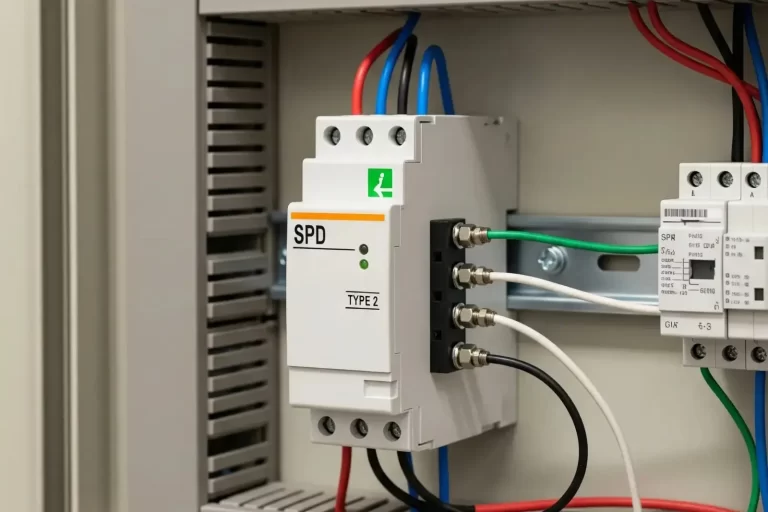
Surge protection devices are designed to protect electrical systems from power surges caused by lightning strikes.
Recommended for: Properties with sensitive electrical equipment
Maintenance and Inspection
Regular maintenance and inspection of lightning protection systems are essential to ensure they are functioning correctly.
Recommended for: Properties with existing lightning protection systems
Cost-Benefit Analysis
Installing a lightning protection system can seem like a significant investment, but it is essential to consider the cost-benefit analysis. The cost of repairing or replacing a property damaged by a lightning strike can be substantial, and in some cases, it may be more cost-effective to install a lightning protection system.
Additionally, lightning protection systems can provide peace of mind for property owners, knowing that their property and occupants are protected from the risks associated with lightning strikes. Lightning strikes Lebanon can have devastating consequences, but with the right protection, property owners can mitigate these risks and protect their investment.
Primary Protection
Type 1
Primary protection refers to the installation of a lightning protection system, which provides the first line of defense against lightning strikes.
Secondary Protection
Type 2
Secondary protection refers to the installation of surge protection devices, which provide an additional layer of protection against power surges caused by lightning strikes.
Maintenance and Inspection
Type 3
Regular maintenance and inspection of lightning protection systems are essential to ensure they are functioning correctly and providing the necessary protection.
Frequently Asked Questions
Protect Your Property From Lightning Damage
Contact ZOD today for a free site visit and lightning protection assessment.