Surge Protection Essentials
Understanding the importance of surge protection for residential, commercial, and industrial properties in Lebanon.
Power surges can occur at any time, causing damage to electrical equipment and posing a significant risk to people and property. In Lebanon, where the climate can be unpredictable, it is crucial to take measures to protect your property from the dangers of power surges.
The topic of surge protection matters to property owners in Lebanon because it can help prevent financial losses, ensure the safety of occupants, and reduce the risk of equipment damage. By understanding the causes and effects of power surges, property owners can take proactive steps to safeguard their investments.
In this article, you will learn about the basics of surge protection, including the types of surges, the risks associated with them, and the benefits of installing surge protection devices. You will also discover how to choose the right surge protection system for your property and how to maintain it to ensure optimal performance.
What Are Power Surges?
A power surge is a sudden increase in voltage that can damage electrical equipment and pose a risk to people and property. Power surges can be caused by a variety of factors, including lightning strikes, grid switching, and equipment malfunction.
There are several types of power surges, including transient surges, switching surges, and fault surges. Transient surges are brief, high-voltage surges that can be caused by lightning strikes or grid switching. Switching surges occur when electrical equipment is turned on or off, causing a brief increase in voltage. Fault surges occur when there is a fault in the electrical system, such as a short circuit or a ground fault.
- Transient Surges
Transient surges are brief, high-voltage surges that can be caused by lightning strikes or grid switching. They can damage electrical equipment and pose a risk to people and property.
- Switching Surges
Switching surges occur when electrical equipment is turned on or off, causing a brief increase in voltage. They can be caused by the switching of electrical equipment, such as motors or transformers.
- Fault Surges
Fault surges occur when there is a fault in the electrical system, such as a short circuit or a ground fault. They can cause damage to electrical equipment and pose a risk to people and property.
Benefits Of Surge Protection
Surge protection devices can help prevent damage to electrical equipment and reduce the risk of injury or death. They can also help prevent financial losses by reducing the risk of equipment damage and downtime.
Surge protection devices can be installed at the service entrance, at the branch circuit level, or at the point of use. They can be used to protect a variety of electrical equipment, including computers, televisions, and refrigerators.
Computer Protection
Surge protection devices can help prevent damage to computers and other electronic equipment. They can be installed at the service entrance or at the point of use.
Recommended for: Home offices, businesses, and data centers
Television Protection
Surge protection devices can help prevent damage to televisions and other home entertainment equipment. They can be installed at the service entrance or at the point of use.
Recommended for: Homes, businesses, and entertainment venues
Appliance Protection
Surge protection devices can help prevent damage to refrigerators and other household appliances. They can be installed at the service entrance or at the point of use.
Recommended for: Homes, businesses, and commercial kitchens
How To Choose The Right Surge Protection System
Choosing the right surge protection system can be a complex task, but there are several factors to consider. The first factor is the type of equipment being protected. Different types of equipment require different levels of surge protection.
Another factor to consider is the level of surge protection required. The level of surge protection required will depend on the type of equipment being protected and the level of risk associated with the equipment.
Primary Protection
Type 1
Primary protection is the first line of defense against power surges. It is typically installed at the service entrance and provides protection for the entire electrical system.
Secondary Protection
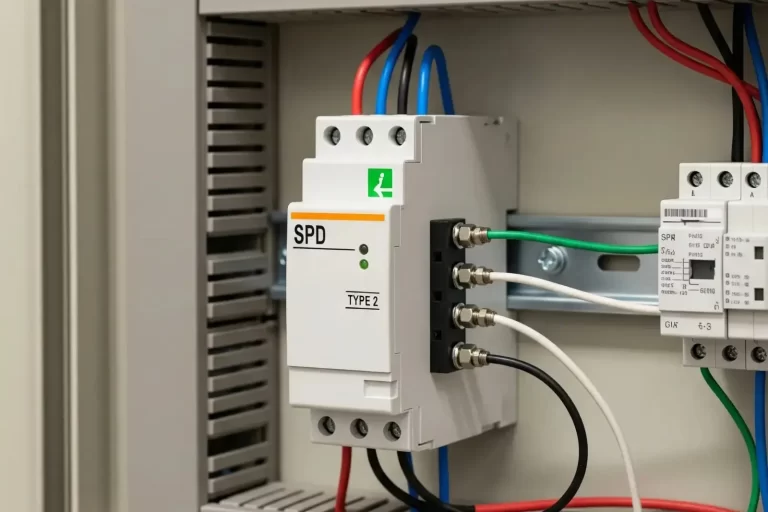
Type 2
Secondary protection is the second line of defense against power surges. It is typically installed at the branch circuit level and provides protection for specific equipment or circuits.
Tertiary Protection
Type 3
Tertiary protection is the third line of defense against power surges. It is typically installed at the point of use and provides protection for specific equipment or devices.
Maintenance And Inspection
Regular maintenance and inspection are crucial to ensuring the effectiveness of surge protection systems. The systems should be inspected regularly to ensure that they are functioning properly and that they have not been damaged.
The inspection should include a visual inspection of the system, as well as a functional test to ensure that the system is operating correctly.
Scheduled Maintenance
Regular maintenance should be scheduled to ensure that the surge protection system is functioning properly. The maintenance should include a visual inspection and a functional test.
Repair And Replacement
Any damaged or faulty components should be repaired or replaced as soon as possible. The repair or replacement should be done by a qualified technician to ensure that the system is functioning properly.
Inspection And Testing
The surge protection system should be inspected and tested regularly to ensure that it is functioning properly. The inspection and testing should be done by a qualified technician.
Frequently Asked Questions
Protect Your Property From Lightning Damage
Contact ZOD today for a free site visit and lightning protection assessment.