Lightning Strikes Lebanon: Understanding The Risks
Discover the importance of lightning protection for residential, commercial, and industrial properties in Lebanon.
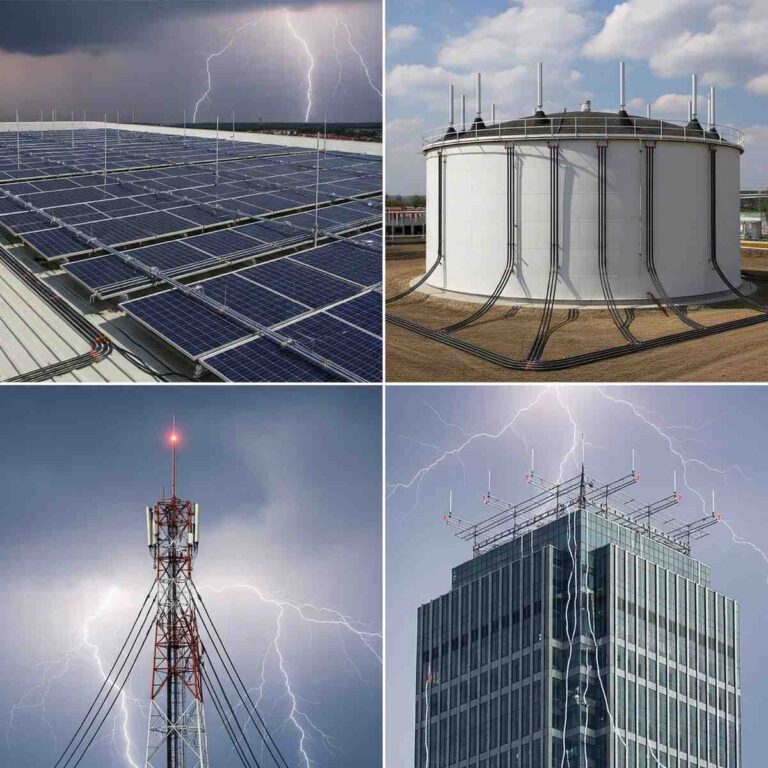
Lightning strikes are a common occurrence in Lebanon, posing a significant threat to properties and human life. Every year, numerous properties are damaged or destroyed by lightning strikes, resulting in substantial financial losses. It is essential for property owners to understand the risks associated with lightning strikes and take necessary measures to protect their properties.
The risk of lightning strikes in Lebanon is higher due to the country’s geographical location and climate. Lebanon experiences a significant number of thunderstorms during the summer months, increasing the likelihood of lightning strikes. Moreover, the country’s mountainous terrain can make it challenging to predict and prepare for lightning strikes.
In this article, we will discuss the risks associated with lightning strikes in Lebanon, the importance of lightning protection, and the measures that can be taken to protect properties from lightning damage. We will also explore the different types of lightning protection systems and their effectiveness in preventing damage from lightning strikes.
Understanding Lightning Strikes
Lightning strikes occur when a lightning bolt, a massive electrostatic discharge, strikes the ground. The strike can cause significant damage to properties, including fires, explosions, and power outages. In Lebanon, lightning strikes are more common in areas with high terrain, such as mountains and hills.
Lightning strikes can also cause significant damage to electrical systems, including power grids and communication networks. This can lead to widespread disruptions and economic losses. Furthermore, lightning strikes can also pose a risk to human life, particularly in areas with high population density.
- Step 1: Assess the Risk
Property owners should assess the risk of lightning strikes in their area and take necessary measures to protect their properties. This includes installing lightning protection systems and conducting regular maintenance checks.
Lightning Protection Systems
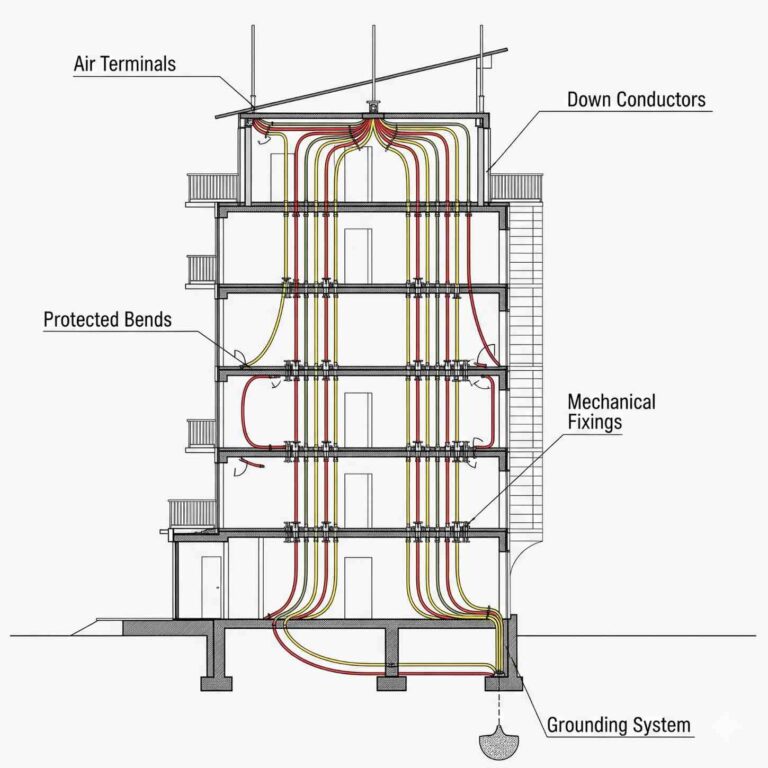
Lightning protection systems are designed to protect properties from lightning strikes. These systems typically include a lightning rod, a down conductor, and a grounding system. The lightning rod attracts the lightning strike, while the down conductor directs the electrical discharge to the ground. The grounding system provides a safe path for the electrical discharge to follow, preventing damage to the property.
In Lebanon, it is essential to install lightning protection systems that meet international standards, such as those specified by the International Electrotechnical Commission (IEC) and the National Fire Protection Association (NFPA). Property owners should also ensure that their lightning protection systems are regularly inspected and maintained to ensure their effectiveness.
Lightning Rods
Lightning rods are designed to attract lightning strikes and direct them to the ground. They are typically installed on the roof of a property and are connected to a down conductor.
Recommended for: Properties in high-risk areas
Down Conductors
Down conductors are designed to direct the electrical discharge from the lightning rod to the ground. They are typically made of copper or aluminum and are installed along the side of a property.
Recommended for: Properties with complex roof structures
Grounding Systems
Grounding systems are designed to provide a safe path for the electrical discharge to follow. They are typically installed in the ground and are connected to the down conductor.
Recommended for: Properties in areas with high soil resistance
Frequently Asked Questions
Protect Your Property From Lightning Damage
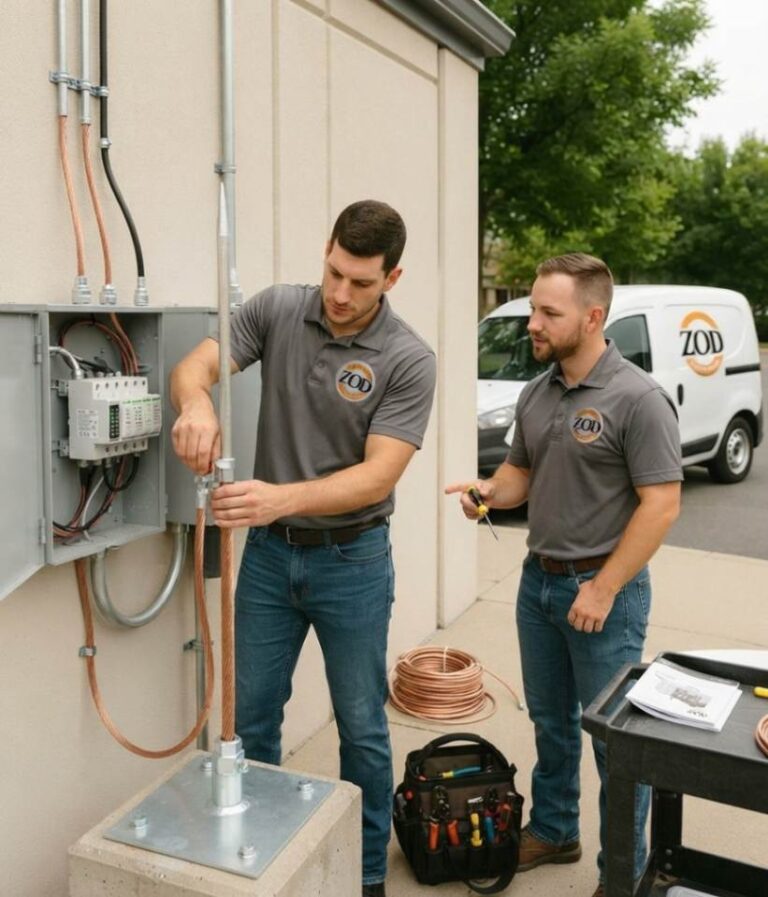
Contact ZOD Lightning today for a free site visit and lightning protection assessment.