Why Every Building in Lebanon Needs Lightning Protection
Comprehensive Guide to Lightning Protection for Lebanese Buildings
Lebanon experiences 20 to 30 thunderstorm days annually, with peak activity during spring and autumn. The country’s geography makes it particularly vulnerable:
- Mountainous terrain: Mount Lebanon and the Bekaa Valley see higher strike frequencies
- Mediterranean moisture: Creates intense atmospheric electrical activity
- Urban concentration: Tall buildings in Beirut, Tripoli, and Sidon act as lightning attractors
- Coastal exposure: Salt air and humidity increase conductivity risks

How Lightning Strikes Impact Buildings
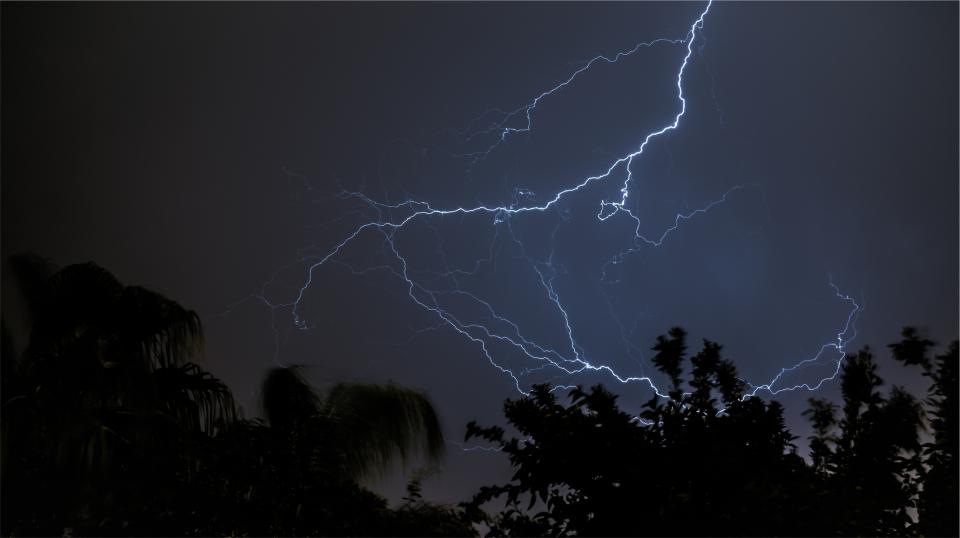
A single lightning strike carries up to ONE BILLION volts and reaches temperatures five times hotter than the sun’s surface. The consequences for unprotected buildings include:
Immediate structural damage, such as shattered concrete, split wooden beams, and explosive damage to pipes and gas lines.
Fire hazards that spread rapidly during Lebanon’s dry summers can potentially ignite insulation, roofing, and stored materials within seconds.
Electronic destruction affects systems, security installations, computer networks, and smart building technologies through the use of electromagnetic pulses.
Financial losses from business downtime, data loss, equipment replacement, and revenue disruption extend far beyond initial repair costs.
What One Lightning Strike Really Costs
Many building owners focus only on installation costs while ignoring potential losses:
Financial Impact Breakdown
- Direct damage: $50,000-$500,000+ depending on building size (By Skytree Scientific, 2025)
- Electrical System Repairs: $8,000-$15,000+, depending on the size of the property and the complexity of the electrical system (Lightning Rods, 2024)
- Business interruption: Thousands per day in lost revenue
- Temporary relocation: Housing costs for residential buildings
The Protection Investment vs. Risk
A comprehensive lightning protection system for a typical building costs fairly compared to the potential losses of $10,000+ from a single strike.
How Lightning Protection Systems Work
The Four-Layer Defense System:
Professional lightning protection systems utilize a comprehensive four-layer approach to safeguard buildings from electrical surges and direct strikes. Each component plays a critical role in the overall protection strategy.
-
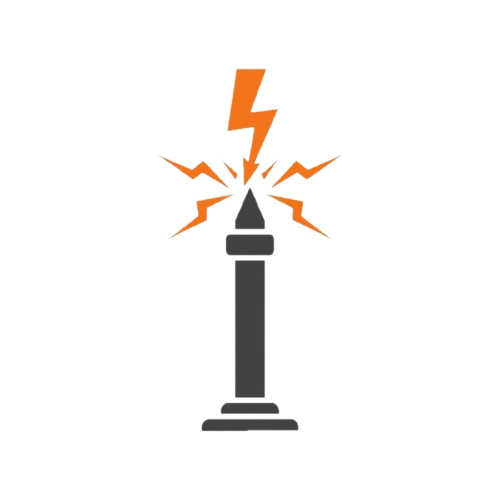
Air Terminals (Lightning Rods)
- Installed at the building’s highest points
- Create protective zones covering the entire structure
- Intercept strikes before hitting vulnerable areas
- Multiple terminals for comprehensive coverage
-
Down Conductors
- Heavy-gauge cables routing from terminals to ground
- Provide a safe pathway for electrical current
- Installed on the building exterior away from occupied spaces
- Prevent internal damage and fire risks
-
Grounding System
- Deep earth electrodes or ground rings
- Safely dissipate energy into the earth
- Customized for Lebanon’s varied soil conditions
- From coastal sand to mountain bedrock
-
Surge Protection Devices
- Protect internal electrical networks
- Prevent power surges from damaging equipment
- Essential for modern electronics and appliances
- Multiple protection points throughout the building
Buildings at Highest Risk in Lebanon
Residential Properties
High-rise apartments and mountain homes.
Commercial Buildings
Businesses and corporate buildings with offices.
Industrial Facilities
Manufacturing plants and warehouses storing flammable materials.
Cultural Heritage Sites
Churches, mosques, and archaeological treasures.
Educational Institutions
Schools and universities, including laboratories, libraries, and research facilities.
Healthcare Facilities
Hospitals, pharmacies, and healthcare centers.
Choosing Your Lightning Protection Solution
Step 1: Professional Risk Assessment
Qualified specialists evaluate your specific needs.
Step 2: Custom System Design
Custom designs account for features and specific requirements.
Step 3: Quality Component Selection
Premium materials matter in Lebanon’s challenging climate.
Step 4: Professional Installation
Certified installers ensure proper installation and complete testing.

Climate Change and Future Risks
Mediterranean climate models predict:
- Increasing thunderstorm frequency and intensity
- More severe weather events across Lebanon
- Greater lightning strike potential
- Higher risks for unprotected buildings
Future-proofing your property now protects against escalating climate risks.
Take Action Now – Don’t Wait for the Next Storm
The next thunderstorm could target your building.
Get Protected Now