Protecting Your Property In Lebanon From Lightning Strikes
Understanding the importance of lightning protection systems for properties in Lebanon to prevent damage and ensure safety.
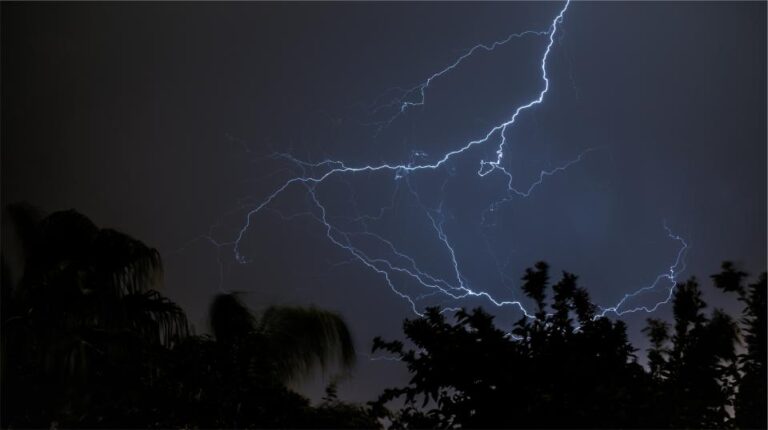
Lightning strikes can cause significant damage to properties in Lebanon, resulting in power outages, fires, and even loss of life. It is essential for property owners to take necessary precautions to protect their properties from lightning strikes. Lightning protection systems are designed to prevent or minimize damage from lightning strikes, and they are a crucial investment for any property owner in Lebanon.
Lebanon experiences a significant number of lightning strikes every year, and the risk of lightning damage is higher in certain areas. Property owners in Lebanon must be aware of the risks and take steps to protect their properties. Lightning protection systems can help prevent damage to buildings, electrical systems, and other equipment, and they can also help prevent injuries and loss of life.
In this article, we will discuss the importance of lightning protection systems for properties in Lebanon, and we will provide information on how to choose the right lightning protection system for your property. We will also discuss the different types of lightning protection systems available, and we will provide tips on how to maintain and inspect your lightning protection system.
Understanding Lightning Protection Systems
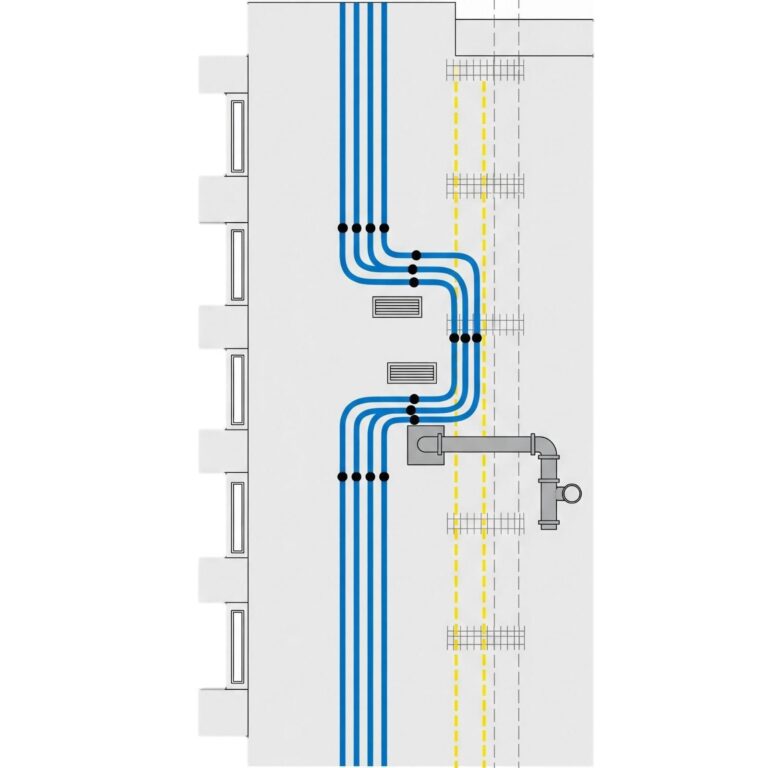
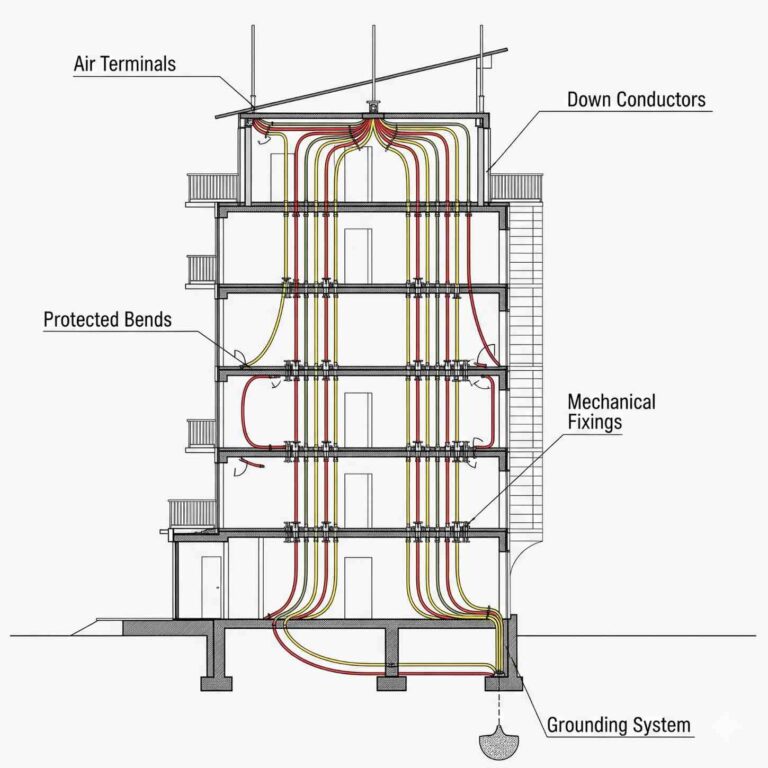
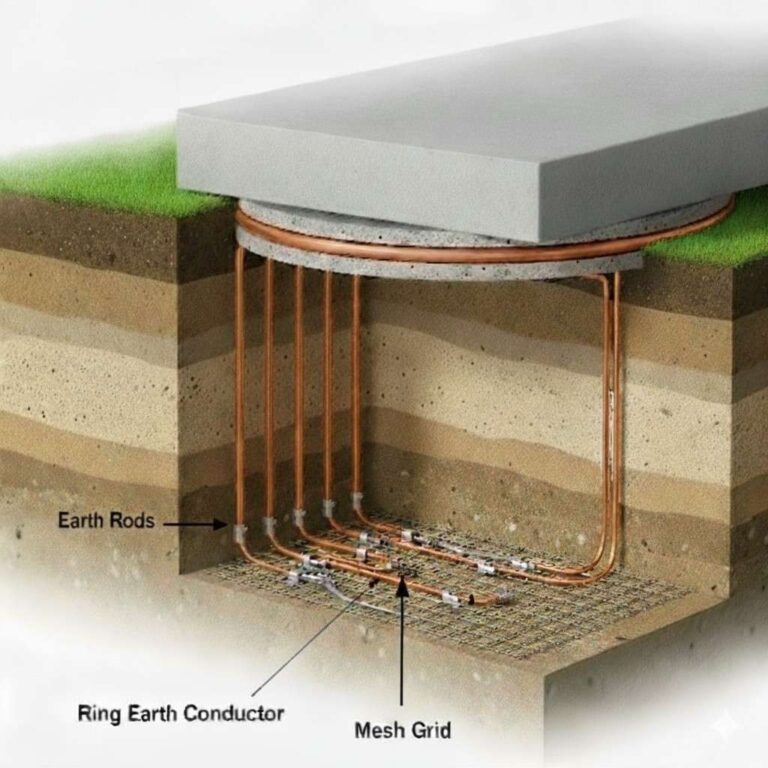
Lightning protection systems are designed to protect properties from lightning strikes by providing a safe path for the electrical discharge to follow. These systems typically consist of a network of conductors, such as copper cables or aluminum rods, that are installed on the roof and walls of a building. The conductors are connected to a grounding system, which provides a safe path for the electrical discharge to follow.
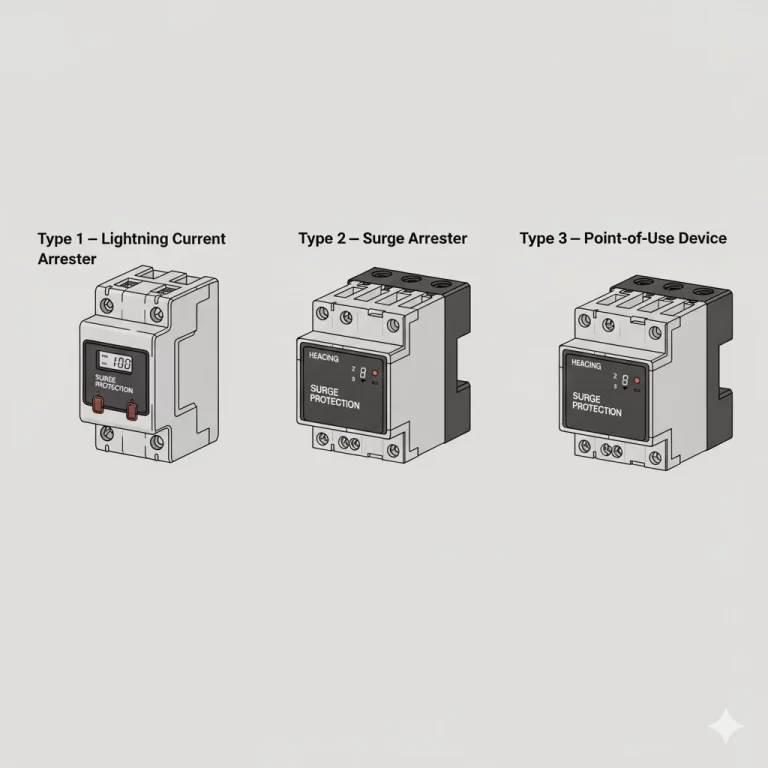
Lightning protection systems can be categorized into two main types: external and internal. External lightning protection systems are designed to protect the exterior of a building from lightning strikes, while internal lightning protection systems are designed to protect the interior of a building from power surges and other electrical disturbances.
- External Lightning Protection
External lightning protection systems are designed to protect the exterior of a building from lightning strikes. These systems typically consist of a network of conductors, such as copper cables or aluminum rods, that are installed on the roof and walls of a building.
Installing A Lightning Protection System
Installing a lightning protection system requires careful planning and execution. The first step is to conduct a site survey to determine the best location for the lightning protection system. The site survey should take into account the size and shape of the building, as well as the location of any nearby structures or obstacles.
Once the site survey is complete, the next step is to design the lightning protection system. The design should take into account the type of building, the location of the building, and the level of protection required. The design should also comply with local building codes and regulations.
Residential Lightning Protection
Residential lightning protection systems are designed to protect single-family homes and apartments from lightning strikes. These systems typically consist of a network of conductors, such as copper cables or aluminum rods, that are installed on the roof and walls of a building.
Recommended for: Homeowners and apartment owners
Industrial Lightning Protection
Industrial lightning protection systems are designed to protect industrial facilities, such as factories and warehouses, from lightning strikes. These systems typically consist of a network of conductors, such as copper cables or aluminum rods, that are installed on the roof and walls of a building.
Recommended for: Industrial facility owners and managers
Commercial Lightning Protection
Commercial lightning protection systems are designed to protect commercial buildings, such as office buildings and shopping centers, from lightning strikes. These systems typically consist of a network of conductors, such as copper cables or aluminum rods, that are installed on the roof and walls of a building.
Recommended for: Commercial building owners and managers
Maintaining Your Lightning Protection System
Maintaining your lightning protection system is crucial to ensuring its effectiveness. Regular inspections and maintenance can help identify potential problems and prevent damage to your property. It is recommended to inspect your lightning protection system at least once a year, and to perform any necessary repairs or replacements.
inspect your lightning protection system, you should check for any signs of damage or wear, such as rust or corrosion. You should also check the connections and ensure that they are secure and not loose. If you find any problems, you should contact a qualified electrician or lightning protection specialist to perform the necessary repairs or replacements.
Annual Inspection
Inspect your lightning protection system at least once a year to ensure its effectiveness and identify any potential problems.
Regular Maintenance
Perform regular maintenance on your lightning protection system to prevent damage and ensure its effectiveness.
Emergency Repairs
Perform emergency repairs on your lightning protection system if you notice any signs of damage or wear.
Frequently Asked Questions
Protect Your Property From Lightning Damage
Contact ZOD Lightning today for a free site visit and lightning protection assessment to ensure your property is protected from lightning strikes and power surges.