Lightning & Surge Protection Matters
Understanding the importance of protecting your property from lightning and surge damage in Lebanon.
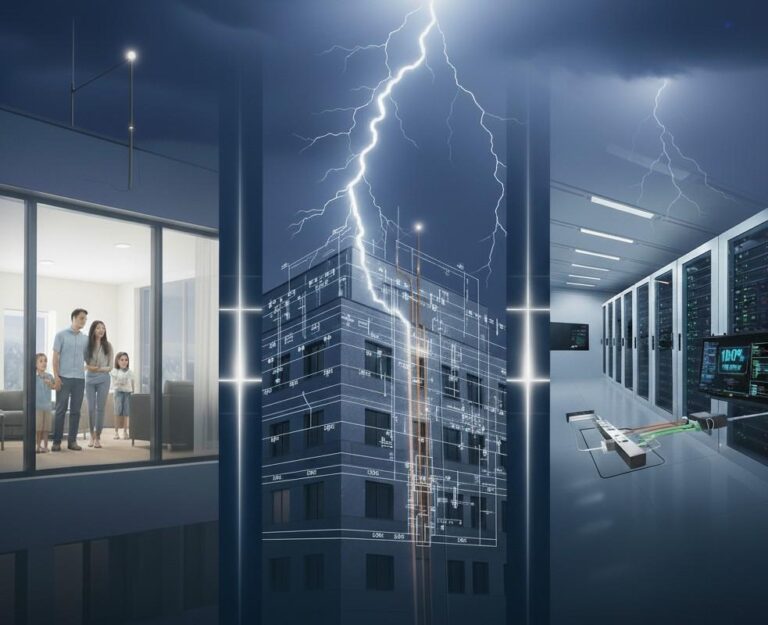
Lightning strikes are a common occurrence in Lebanon, posing a significant threat to properties and lives. Every year, numerous properties are damaged or destroyed by lightning strikes, resulting in significant financial losses. Lightning & surge protection is crucial for property owners in Lebanon to safeguard their investments and ensure the safety of their occupants.
The topic of lightning & surge protection matters to property owners in Lebanon because it can help prevent damage to their properties and reduce the risk of injury or death. Proper installation and maintenance of lightning protection systems can also help reduce insurance costs and prevent business disruptions. Furthermore, lightning & surge protection is essential for commercial and industrial properties, where the risk of damage and downtime can be particularly high.
In this article, you will learn about the importance of lightning & surge protection, the benefits of proper installation and maintenance, and the different types of protection systems available. You will also understand the risks associated with lightning strikes and the consequences of not having adequate protection in place. By the end of this article, you will be equipped with the knowledge to make informed decisions about protecting your property from lightning and surge damage.
Understanding Lightning Strikes
Lightning strikes are a natural phenomenon that occurs when there is a buildup of electrical charge in the atmosphere. In Lebanon, lightning strikes are common during thunderstorms, which can occur throughout the year. When a lightning strike hits a property, it can cause significant damage to the structure, electrical systems, and occupants.
The risk of lightning strikes is higher in certain areas of Lebanon, such as mountainous regions, where the terrain can funnel electrical charges. Additionally, properties located in areas with high levels of humidity and precipitation are more prone to lightning strikes. Understanding the risks and consequences of lightning strikes is essential for property owners in Lebanon to take proactive measures to protect their properties.
Residential Properties
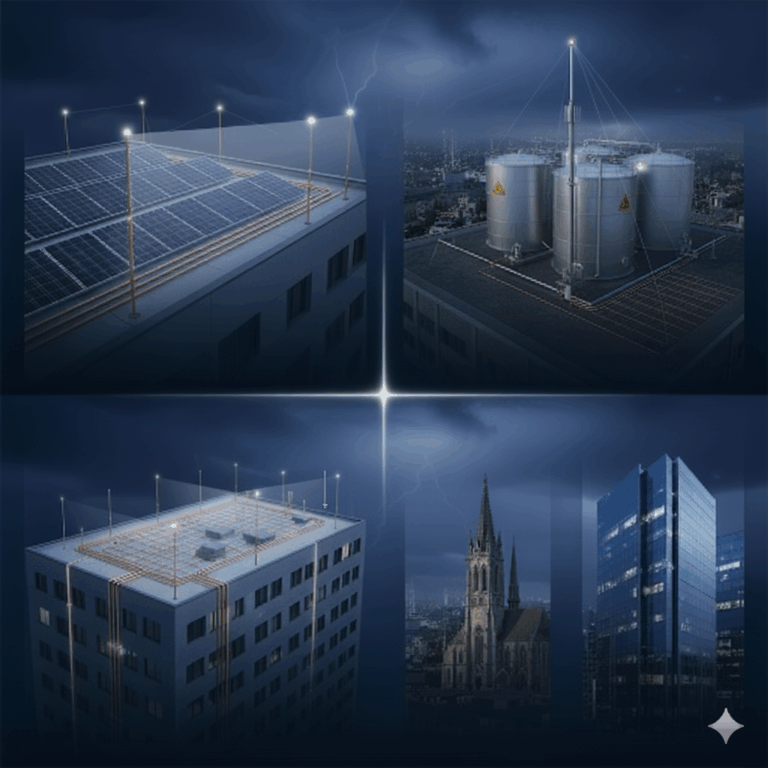
Residential properties are vulnerable to lightning strikes, which can cause damage to the structure and electrical systems. Proper installation of lightning protection systems can help reduce the risk of damage and injury.
Recommended for: Homeowners, property managers
Commercial Properties
Commercial properties, such as offices and retail stores, are also at risk of lightning strikes. Proper protection can help reduce downtime and prevent damage to equipment and inventory.
Recommended for: Business owners, facility managers
Industrial Properties
Industrial properties, such as factories and warehouses, are particularly vulnerable to lightning strikes due to the presence of heavy machinery and equipment. Proper protection can help prevent damage and downtime.
Recommended for: Industrial facility managers, operations managers
Lightning Protection Systems
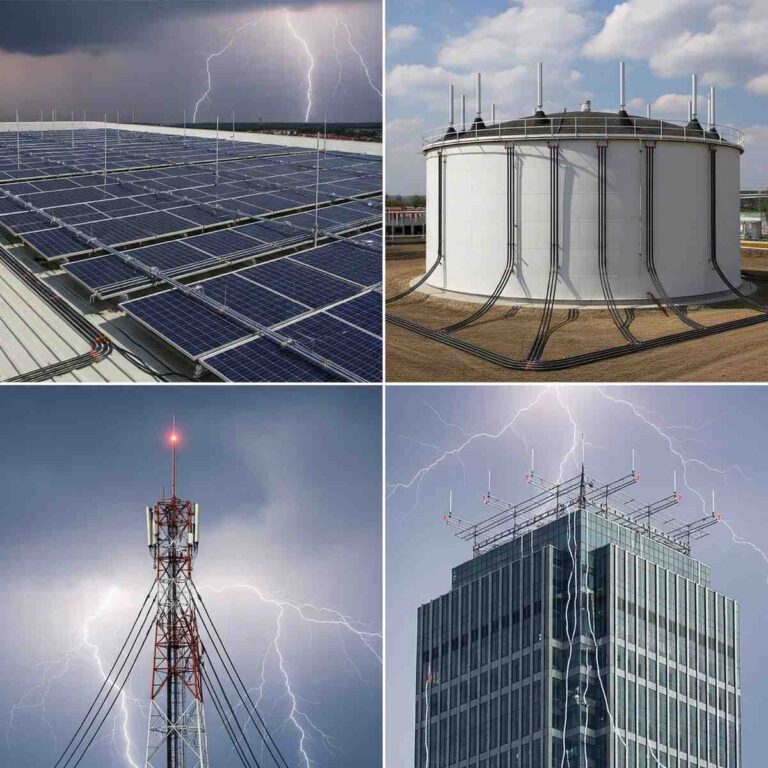
Lightning protection systems are designed to protect properties from lightning strikes by providing a safe path for the electrical charge to follow. These systems typically consist of a lightning rod, down conductor, and grounding system. Proper installation and maintenance of these systems are crucial to ensure their effectiveness.
There are different types of lightning protection systems available, including traditional systems, early streamer emission systems, and mesh systems. Each type of system has its own advantages and disadvantages, and the choice of system depends on the specific needs and requirements of the property.
- Step 1: Risk Assessment
Conduct a risk assessment to determine the level of risk posed by lightning strikes to the property. This involves evaluating the location, terrain, and weather patterns in the area.
- Step 2: System Design
Design a lightning protection system that meets the specific needs and requirements of the property. This involves selecting the type of system, determining the number and location of lightning rods, and specifying the down conductor and grounding system.
- Step 3: Installation
Install the lightning protection system according to the design specifications. This involves installing the lightning rod, down conductor, and grounding system, and ensuring that all connections are secure and meet the relevant standards.
Maintenance and Inspection
Regular maintenance and inspection of lightning protection systems are crucial to ensure their effectiveness. This involves checking the system for damage, corrosion, and wear and tear, and performing repairs and replacements as needed.
Maintenance and inspection should be performed by trained and certified technicians who have the necessary expertise and experience. Property owners should also keep records of maintenance and inspection activities to ensure that the system is properly maintained and inspected over time.
Scheduled Maintenance
Perform scheduled maintenance activities, such as inspections and repairs, to ensure that the lightning protection system is functioning properly.
Repair and Replacement
Perform repairs and replacements as needed to ensure that the lightning protection system is functioning properly and meets the relevant standards.
Record Keeping
Keep records of maintenance and inspection activities to ensure that the lightning protection system is properly maintained and inspected over time.
Frequently Asked Questions
Protect Your Property From Lightning Damage
Contact ZOD today for a free site visit and lightning protection assessment.