Surge Protection Essentials
Understanding the importance of surge protection for your property in Lebanon.
Lebanon experiences a significant number of lightning strikes and power outages, which can cause devastating damage to properties and electrical systems. As a property owner in Lebanon, it is crucial to understand the risks associated with power surges and take necessary measures to protect your assets.
The topic of surge protection is often overlooked, yet it is a critical aspect of ensuring the safety and longevity of your electrical systems. In this article, we will delve into the world of surge protection, exploring what it entails, its benefits, and how to implement effective surge protection measures for your property.
By the end of this article, you will have a comprehensive understanding of surge protection, including the different types of surge protection devices, how to choose the right one for your property, and the importance of regular maintenance and inspections.
What Is Surge Protection
Surge protection refers to the measures taken to protect electrical systems and equipment from power surges, which are sudden increases in voltage that can cause damage or destruction. Power surges can occur due to various factors, including lightning strikes, power outages, and electrical grid fluctuations.
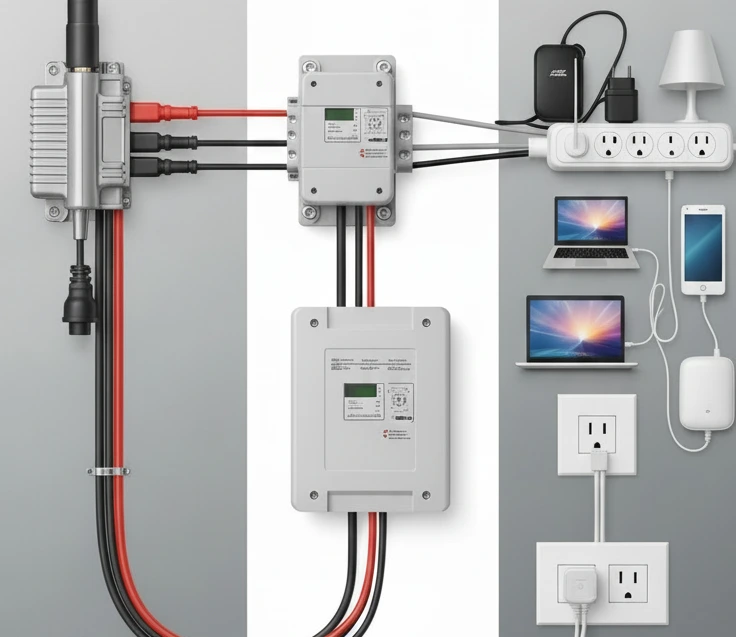
Surge protection devices are designed to absorb or divert the excess energy caused by a power surge, thereby preventing damage to your electrical systems and equipment. These devices can be installed at the main electrical panel, at the point of use, or at the service entrance.
- Types of Surge Protection Devices
There are several types of surge protection devices available, including surge arresters, surge protectors, and transient voltage surge suppressors. Each type has its own unique characteristics and applications.
How Surge Protection Works
Surge protection devices work by detecting the onset of a power surge and diverting the excess energy away from your electrical systems and equipment. This is achieved through the use of specialized components, such as metal oxide varistors or gas discharge tubes.
When a power surge occurs, the surge protection device absorbs or diverts the excess energy, preventing it from reaching your electrical systems and equipment. This helps to prevent damage, reduce downtime, and minimize the risk of electrical fires.
Surge Protection Process
Benefits of Surge Protection
Surge protection offers numerous benefits, including reduced downtime, extended equipment lifespan, and minimized risk of electrical fires. By installing surge protection devices, you can help prevent damage to your electrical systems and equipment, reducing the need for costly repairs and replacements.
Surge protection also helps to reduce the risk of electrical fires, which can be devastating and costly. By protecting your electrical systems and equipment from power surges, you can help ensure the safety of your property and occupants.
Residential Properties
Surge protection is essential for residential properties, where electrical systems and equipment are often more vulnerable to power surges.
Recommended for: Homeowners, renters, and property managers.
Commercial Properties
Surge protection is critical for commercial properties, where electrical systems and equipment are often more complex and sensitive.
Recommended for: Business owners, facility managers, and property managers.
Industrial Properties
Surge protection is essential for industrial properties, where electrical systems and equipment are often more robust and critical to operations.
Recommended for: Industrial facility managers, plant managers, and property managers.
Maintenance and Inspections
Regular maintenance and inspections are crucial to ensuring the effectiveness of your surge protection devices. This includes checking the devices for damage, wear, and tear, as well as verifying their proper installation and operation.
It is also important to perform regular testing and certification of your surge protection devices, to ensure they are functioning correctly and meeting the required standards.
Visual Inspection
Perform a visual inspection of your surge protection devices to check for damage, wear, and tear.
Performance Testing
Perform regular testing and certification of your surge protection devices to ensure they are functioning correctly.
Certification and Compliance
Verify that your surge protection devices meet the required standards and regulations, such as IEC 62305 and NFPA 780.
Frequently Asked Questions
Protect Your Property From Lightning Damage
Contact ZOD today for a free site visit and lightning protection assessment.