Lightning & Surge Protection
Understanding the importance of safeguarding your property against electrical storms in Lebanon.
Lebanon experiences a significant number of lightning storms each year, posing a threat to properties and lives. Lightning can strike anywhere, causing damage to buildings, equipment, and infrastructure. It is essential for property owners, business owners, facility managers, and engineers to understand the risks associated with lightning and take necessary measures to protect their properties.
The topic of lightning and surge protection matters to property owners in Lebanon because it can help prevent damage to their properties, reduce the risk of injury or death, and minimize downtime and financial losses. By understanding the risks and taking proactive measures, property owners can ensure the safety and security of their properties and occupants.
In this article, readers will learn about the importance of lightning and surge protection, the different types of protection systems available, and how to choose the right system for their property. They will also learn about the benefits of regular maintenance and inspection, and how to ensure compliance with international standards and regulations.
Understanding Lightning and Surge Protection
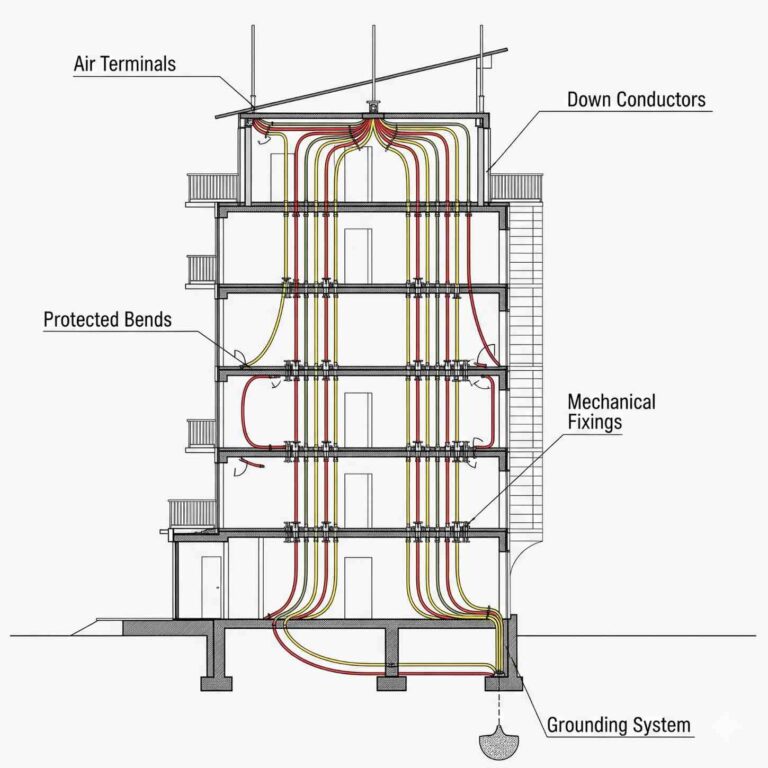
Lightning and surge protection involves the installation of systems designed to protect properties from the harmful effects of lightning strikes and power surges. These systems include lightning rods, surge arresters, and grounding systems, which work together to divert lightning strikes and surges away from buildings and equipment.
It is crucial to understand that lightning and surge protection is not just about installing a system, but also about ensuring that the system is properly designed, installed, and maintained. This includes regular inspection and testing of the system, as well as ensuring that all components are functioning correctly.
- Step 1: Assess the Risk
Assess the risk of lightning strikes and power surges to your property, taking into account factors such as location, climate, and proximity to power lines.
Types of Lightning Protection Systems
There are several types of lightning protection systems available, including traditional lightning rod systems, surge arresters, and grounding systems. Each type of system has its own advantages and disadvantages, and the choice of system will depend on the specific needs and requirements of the property.
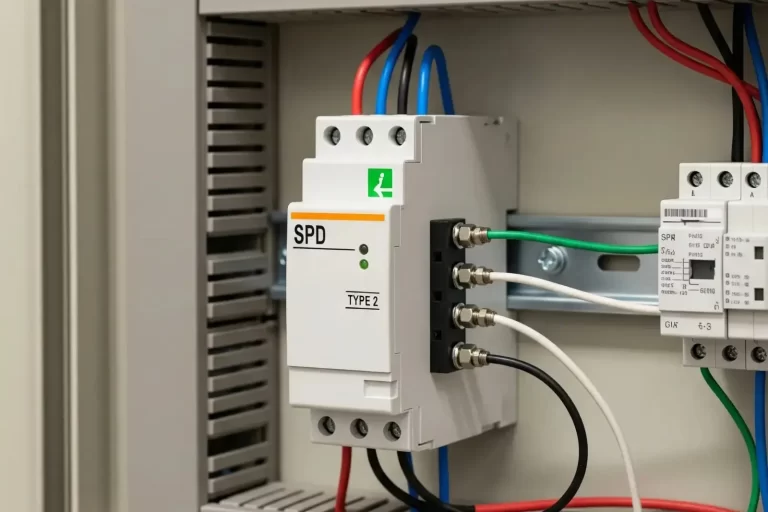
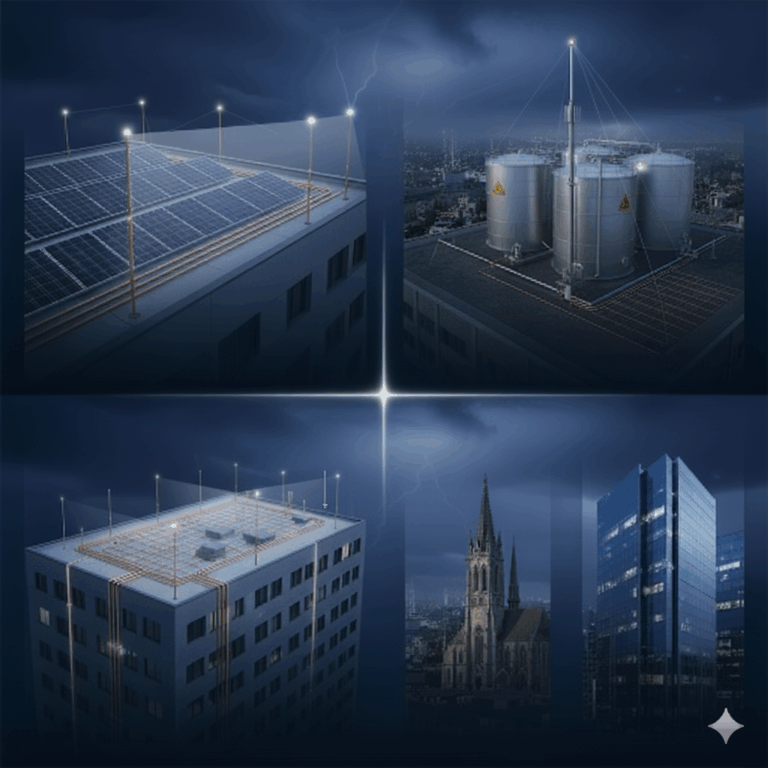
Traditional lightning rod systems involve the installation of lightning rods on the roof of a building, which are designed to attract lightning strikes and divert them away from the building. Surge arresters, on the other hand, are designed to protect against power surges and spikes, and are typically installed at the electrical panel or near sensitive equipment.
Lightning Rod Systems
Traditional lightning rod systems are effective against direct lightning strikes, but may not provide adequate protection against side flashes or ground currents.
Recommended for: buildings with high roofs or exposed locations.
Surge Arrester Systems
Surge arrester systems are designed to protect against power surges and spikes, and are typically installed at the electrical panel or near sensitive equipment.
Recommended for: properties with sensitive electronic equipment or critical infrastructure.
Grounding Systems
Grounding systems are designed to provide a safe path to ground for lightning strikes and power surges, and are typically installed in conjunction with lightning rod or surge arrester systems.
Recommended for: properties with high soil resistivity or poor grounding conditions.
Maintenance and Inspection
Regular maintenance and inspection of lightning and surge protection systems is crucial to ensure that they are functioning correctly and providing adequate protection. This includes visual inspections, testing of system components, and verification of system performance.
Property owners and facility managers should ensure that their lightning and surge protection systems are inspected and maintained regularly, and that any defects or issues are addressed promptly. This can help prevent damage to properties, reduce the risk of injury or death, and minimize downtime and financial losses.
Visual Inspection
Visual inspections should be performed regularly to verify that system components are intact and functioning correctly.
System Testing
System testing should be performed regularly to verify that the system is functioning correctly and providing adequate protection.
Grounding System Maintenance
Grounding system maintenance should be performed regularly to ensure that the system is providing a safe path to ground for lightning strikes and power surges.
Frequently Asked Questions
Protect Your Property From Lightning Damage
Contact ZOD today for a free site visit and lightning protection assessment.