Lightning Conductor Safety For Lebanese Properties
Understanding the role of lightning conductors in safeguarding Lebanese homes and businesses from lightning strikes.
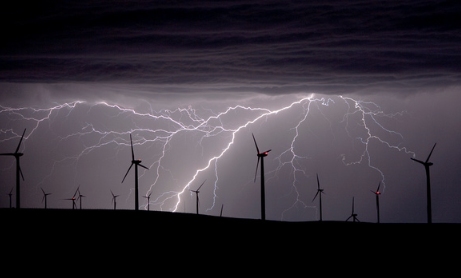
Lebanon experiences a significant number of lightning storms each year, posing a threat to properties and lives. A lightning conductor, also known as a lightning rod, is a crucial component in protecting buildings from lightning damage. It works by attracting lightning and directing it harmlessly into the ground, thus preventing damage to the structure and its occupants.
The importance of lightning conductors cannot be overstated, especially in a country like Lebanon where thunderstorms are common. Without a properly installed lightning conductor system, properties are at risk of suffering significant damage, including fires, power outages, and structural harm. This can result in costly repairs, downtime, and even loss of life.
In this article, we will delve into the world of lightning conductors, exploring their functionality, installation, and maintenance. We will also discuss the benefits of having a lightning conductor system, the different types available, and what to look for when selecting a system for your property.
How Lightning Conductors Work
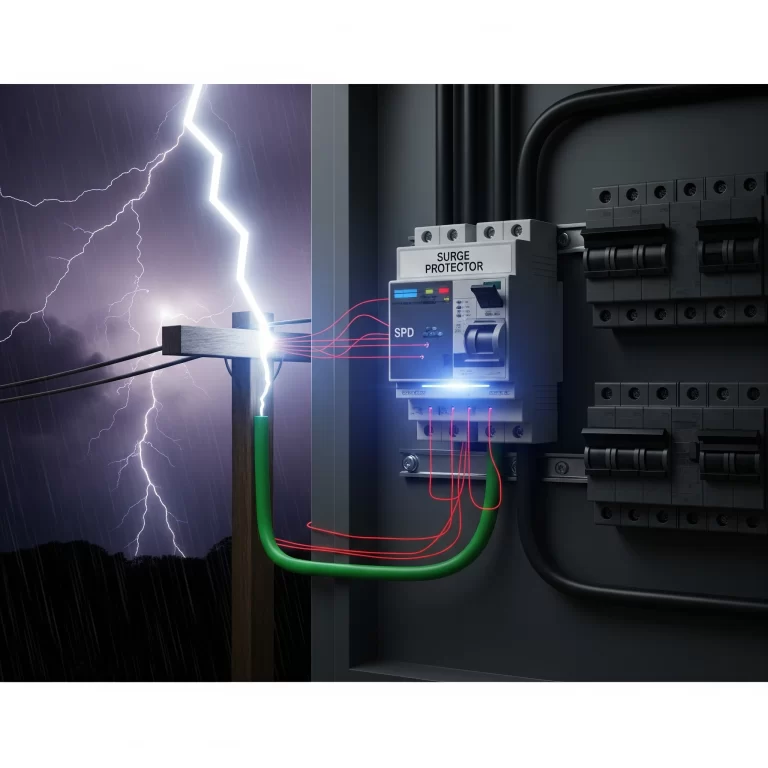
A lightning conductor is essentially a metal rod that is installed on a building or structure to attract lightning. The rod is connected to a down conductor, which is a wire that runs down the side of the building to the ground. The down conductor is then connected to a grounding system, which dissipates the electrical charge from the lightning strike into the earth.
The science behind lightning conductors is based on the principle of electrostatic attraction. Lightning is attracted to the tallest object in a given area, which is why lightning conductors are often installed on rooftops or tall structures. By providing a path for the lightning to follow, the conductor directs the electrical charge away from the building and into the ground, thus preventing damage.
- Lightning conductors are typically made of copper or aluminum, which are excellent conductors of electricity.
- The conductor is usually installed on the rooftop or highest point of the building.
- The down conductor is connected to a grounding system, which can be a grid of copper wires or a single rod driven into the ground.
Installing A Lightning Conductor System
Installing a lightning conductor system requires careful planning and execution. The system must be designed to withstand the forces of lightning, which can reach temperatures of up to 50,000 degrees Celsius and generate electromagnetic pulses that can damage electrical equipment.
A properly installed lightning conductor system should include a lightning rod, down conductor, and grounding system. The system should also be inspected and tested regularly to ensure it is functioning correctly.
Lightning Rod
A metal rod installed on the rooftop or highest point of the building to attract lightning.
Recommended for: All buildings and structures.
Down Conductor
A wire that runs down the side of the building to the ground, connecting the lightning rod to the grounding system.
Recommended for: Buildings with multiple stories or complex rooflines.
Grounding System
A system of copper wires or a single rod driven into the ground to dissipate the electrical charge from the lightning strike.
Recommended for: All buildings and structures, especially those in areas with high lightning activity.
Maintenance And Inspection
Regular maintenance and inspection of the lightning conductor system are crucial to ensure it is functioning correctly. The system should be inspected at least once a year, and after any significant weather events or changes to the building or structure.
During the inspection, the following components should be checked: the lightning rod, down conductor, and grounding system. Any damage or wear should be repaired or replaced immediately to prevent malfunction.
Annual Inspection
Inspect the lightning conductor system at least once a year to ensure it is functioning correctly.
Post-Weather Event Inspection
Inspect the lightning conductor system after any significant weather events, such as thunderstorms or hurricanes.
Repair And Replacement
Repair or replace any damaged or worn components of the lightning conductor system immediately to prevent malfunction.
Frequently Asked Questions
Protect Your Property From Lightning Damage
Contact ZOD today for a free site visit and lightning protection assessment.