Understanding Lightning Conductor Importance
Protect your property from lightning damage with a proper lightning conductor system.
Lightning strikes can be devastating to properties in Lebanon, causing significant damage and posing a risk to human life. A lightning conductor, also known as a lightning rod, is a crucial component in protecting buildings from lightning strikes. It works by attracting lightning and directing it harmlessly into the ground, thus preventing damage to the structure and its occupants.
The importance of lightning conductors cannot be overstated, particularly in a country like Lebanon where thunderstorms are frequent during certain times of the year. Without a proper lightning protection system, a property is at risk of sustaining significant damage from a lightning strike, including fires, power outages, and structural damage.
In this article, we will delve into the world of lightning conductors, exploring how they work, their benefits, and the importance of regular maintenance. By the end of this article, readers will have a comprehensive understanding of lightning conductor systems and how they can protect their properties from the risks associated with lightning strikes.
How Lightning Conductors Work
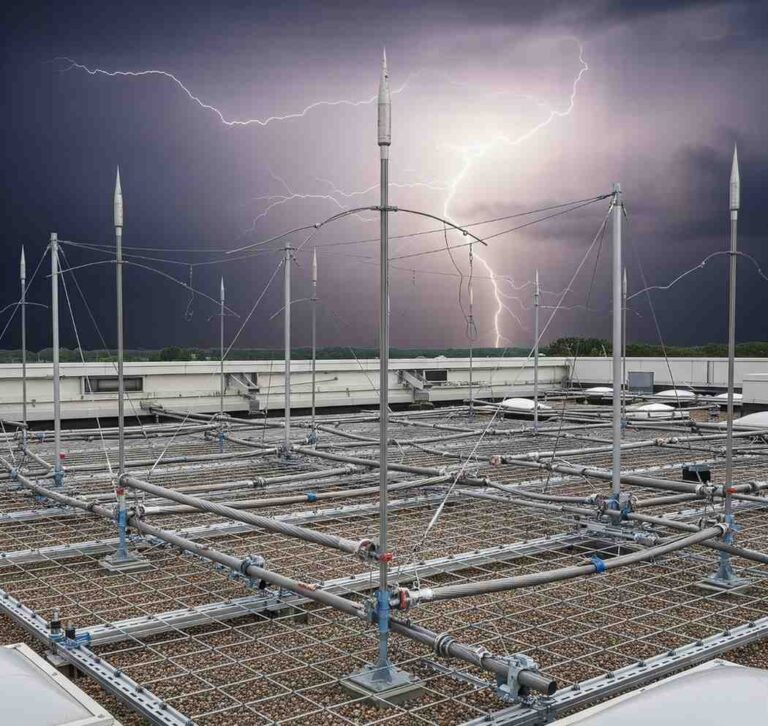
A lightning conductor is essentially a metal rod that is installed on a building or structure to protect it from lightning strikes. The rod is typically made of a conductive material, such as copper or aluminum, and is designed to attract lightning and direct it into the ground.
The process works as follows: when a lightning strike occurs, the lightning conductor attracts the electrical discharge and directs it down into the ground through a network of down conductors. The down conductors are connected to a grounding system, which dissipates the electrical charge harmlessly into the earth.
- Step 1: Attraction
The lightning conductor attracts the lightning strike, directing it away from the building and its occupants.
- Step 2: Conduction
The lightning strike is then conducted down into the ground through the down conductors.
- Step 3: Grounding
The electrical charge is dissipated harmlessly into the earth through the grounding system.
Benefits of Lightning Conductors
The benefits of lightning conductors are numerous, and they play a critical role in protecting properties from the risks associated with lightning strikes. Some of the key benefits include:
- Protection from lightning strikes: Lightning conductors can prevent significant damage to a property, including fires, power outages, and structural damage.
- Reduced risk of injury or death: By directing lightning strikes harmlessly into the ground, lightning conductors can help prevent injuries or fatalities.
- Peace of mind: Property owners can have peace of mind knowing that their building is protected from the risks associated with lightning strikes.
Important Safety Tip
It is essential to note that lightning conductors should only be installed by trained and certified professionals to ensure that they are functioning correctly and providing the necessary protection.
Maintenance and Inspection
Regular maintenance and inspection of lightning conductors are crucial to ensuring that they are functioning correctly and providing the necessary protection. This includes:
Visual Inspection
Regular visual inspections should be conducted to identify any signs of damage or wear and tear.
Electrical Testing
Electrical testing should be conducted to ensure that the lightning conductor is functioning correctly and providing the necessary protection.
Scheduled Maintenance
Scheduled maintenance should be conducted on a regular basis to ensure that the lightning conductor is functioning correctly and providing the necessary protection.
Frequently Asked Questions
Protect Your Property From Lightning Damage
Contact ZOD today for a free site visit and lightning protection assessment.